
Most beds on the Croatian coast are not in hotels but in private homes. Owners rent out apartments above their living quarters, studios in renovated stone houses or rooms with a shared terrace, and many have done so for generations. Staying with them is one of the best ways to see everyday life, taste fig jam at breakfast and get honest recommendations from people who know each corner of their town. Yet booking private accommodation in Croatia works differently from booking a chain hotel, and a few details save a lot of misunderstandings.
We asked hosts what they wish every guest knew before arriving. Their answers cover star ratings, booking channels, payments, registration, arrival times and the unwritten rules of living under the same roof for a week. Go through them once, and your stay will start with a smile instead of a surprise.
Keep in mind that hosts are not hotel staff, and that most rentals are run by a mother, a son and a grandmother sharing the work. Most work other jobs, look after children or pick olives in autumn, so communication is personal and sometimes slower, yet far warmer.
Location deserves as much thought as cost. A cheaper apartment twenty minutes from the historic center by car can cost more in parking fees and taxis than a central studio, and evening strolls become complicated. Map the distance to the shore, the nearest bakery and the bus stop before you decide.
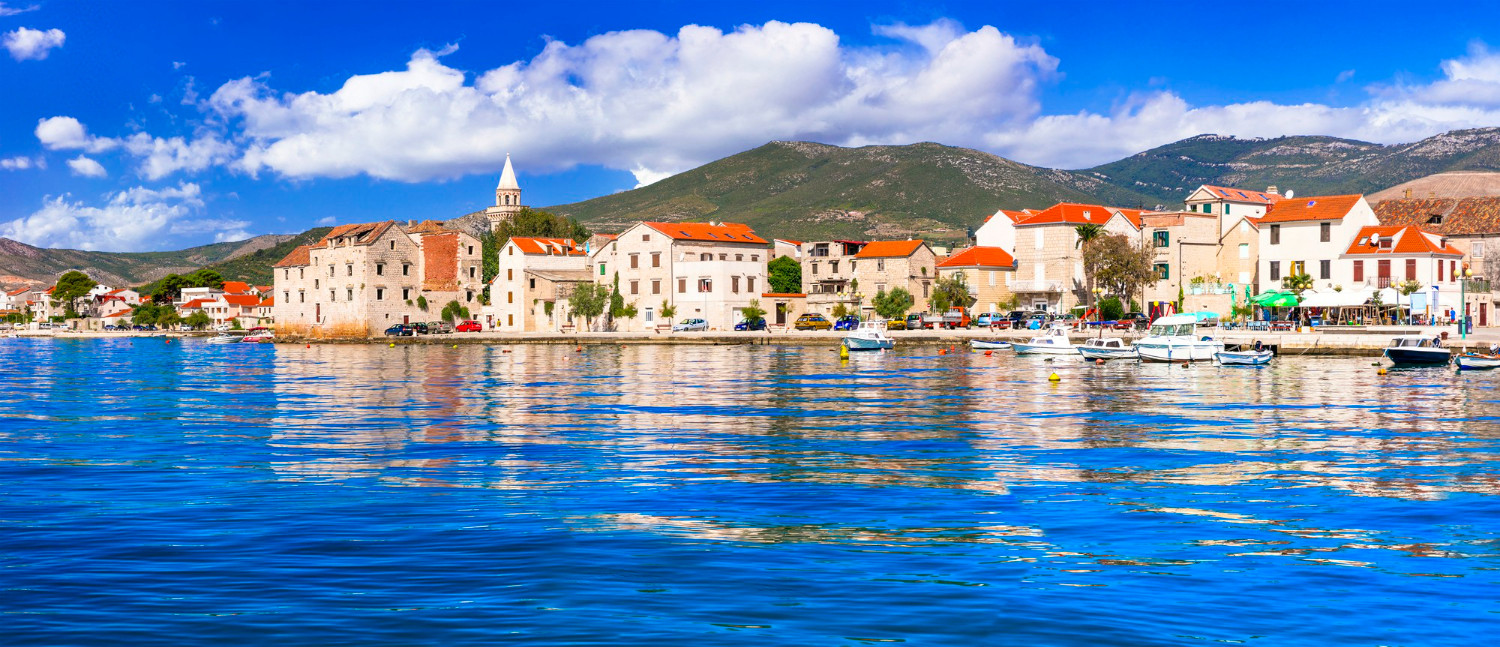
Private apartments in Croatia are officially categorized with stars, from one to five, by county authorities. Ratings reflect size, equipment and comfort, not location or charm, so a three star apartment with a sea view may feel nicer than a four star unit by a busy road. Study the description, check pictures of bathrooms and kitchens, and check the distance to the beach in meters, not in minutes of driving.
You can book through international platforms or straight with hosts. Platforms offer security, reviews and standardized cancellation rules, while direct booking can be cheaper and lets you build a relationship with the owner. Plenty of households run websites or are listed with regional tourism offices. If you book that way, request a written confirmation with dates, price, deposit and cancellation terms.
Deposits of twenty to thirty percent are common for direct bookings, with the rest paid on arrival in cash or by card. Clarify in advance whether the price includes the tourist tax, cleaning, towels, bed linen, air conditioning and parking. In July and August many hosts require a minimum stay of several nights, while the shoulder months are more flexible.
Watch out for listings that look too good to be true. Scam ads occasionally copy photos from real apartments, so never wire the full amount to an unknown account abroad, and compare photos with reviews and the address on a map. A quick video call with the owner removes most doubts.
By law, hosts must register every guest with the authorities, so they will ask for your passport or ID card on arrival. This is routine and protects both sides. The tourist tax is charged per person per night, varies by town and season, and is modest, with discounts for children.
Check in typically starts in the afternoon and check out happens in the morning, because hosts need time to clean between guests. If you arrive late or early, let them know beforehand. Many hosts will meet you at the harbor or bus station if you request it kindly, and some put keys in a lockbox for very late guests.
House rules are simple but important. Do not leave the air conditioning running with windows open, sort waste according to local bins, keep noise down after eleven and avoid sand in the shower drains. Water on islands comes from cisterns or lengthy pipelines, so short showers are appreciated. If something breaks, tell the host immediately instead of hiding it.
Families with babies should ask for a cot and high chair in advance, and travelers with limited mobility should check the number of steps, since many coastal homes sit on slopes with stairs to each floor.
The real value of private accommodation lies in the people. Find out from your hosts where they eat, which beach residents prefer and when the fish market opens. Many will offer olive oil, figs or vegetables from their garden, a gesture of hospitality rather than a sales pitch. Accepting with thanks is the polite response.
Small gestures go a long way. A box of chocolates from your home country, a postcard with a thank you note or a jar of honey for the next guests make a lasting impression. Hosts talk about such visitors for years, and some guests end up as friends who spend birthdays and holidays together.
Some hosts go further and turn a stay into an experience, cooking dinners for guests, organizing boat trips with relatives or teaching old recipes. In Slavonia, for example, one countryside host combines rooms with long evenings of handmade pasta and regional wine. You can check this Slavonian stay with pasta and wine if you want accommodation that doubles as a cultural adventure.
When you depart, write an honest review, mention the details that made your stay special and, if you enjoyed it, return next year. Hosts remember returning guests, and the welcome only gets warmer. Some even treasure a guestbook going back decades, filled with drawings by youngsters who now return as parents. For more ideas, read our guide to where to stay in Croatia, meet families in agritourism in Croatia and explore the Island Hosts section.