
Away from the busy coast, Croatian families welcome guests to their farms, vineyards and orchards. Agritourism in Croatia means waking up to roosters, eating eggs from the yard and drinking wine made a few meters from your room. It suits families with children, food lovers and anyone who needs a slower pace.
Farms registered as agroturizam or seoski turizam combine rooms or apartments with home cooked meals. Many grow vegetables, keep animals and produce their own oil, wine, cheese or jam. Guests can help with daily tasks, from feeding goats to picking grapes in autumn.
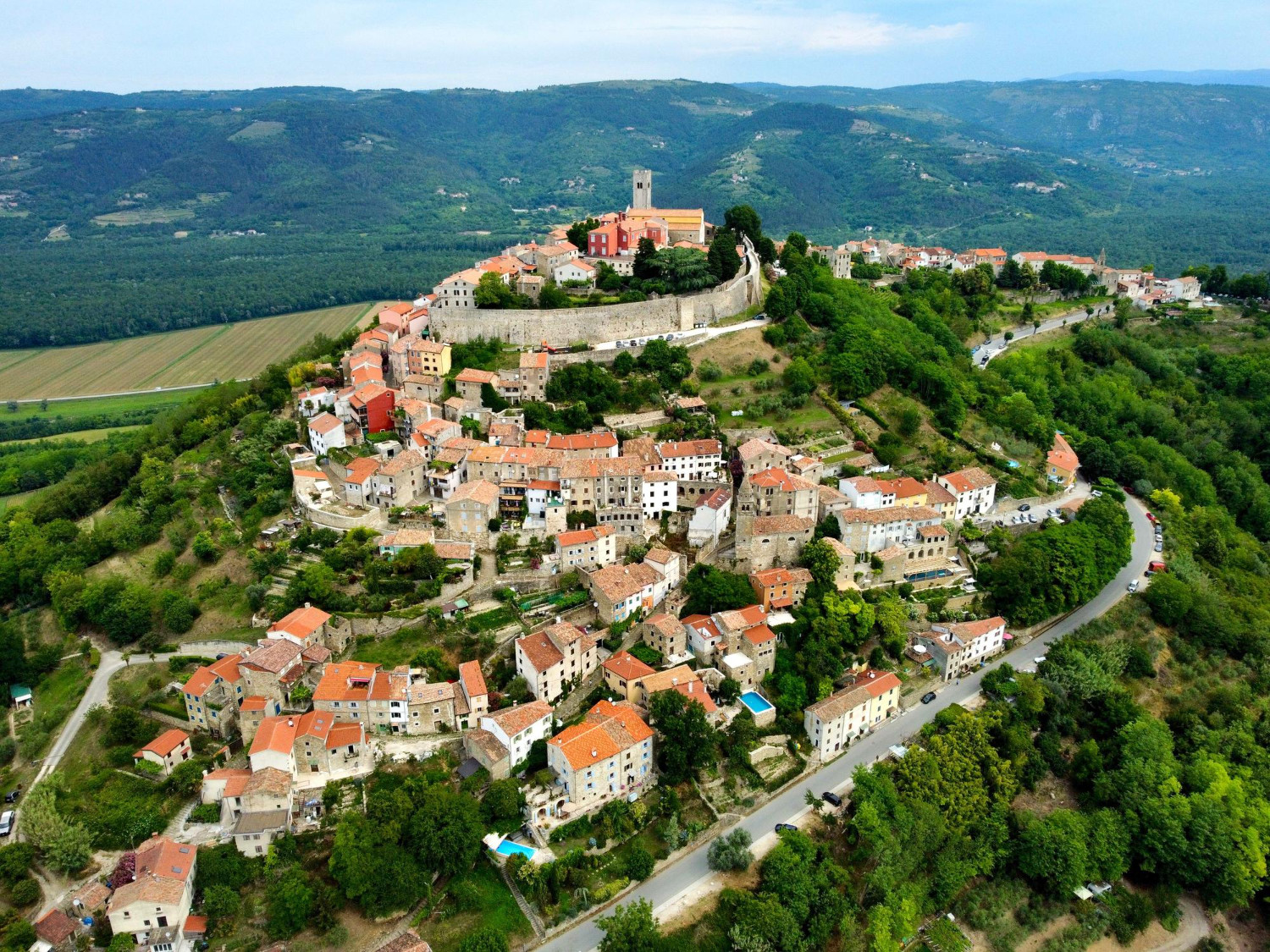
Inland Istria has the most developed network of farm stays. Stone houses with pools sit among vineyards near Motovun, Grožnjan and Buzet. Dinners often feature truffles, homemade pasta, local olive oil and malvazija wine.
North of Zagreb, the rolling hills of Zagorje are dotted with small vineyard cottages called klijeti. Farm stays here serve štrukli, turkey with mlinci and cottage cheese with cream. Castles, thermal spas and pilgrimage churches lie within easy reach.
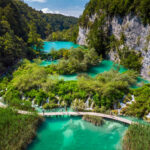
The highlands between Zagreb and the coast hide farms surrounded by forests and meadows. In Lika, hosts serve lamb, potatoes baked under the peka and škripavac, a fresh cheese that squeaks between the teeth. Gorski kotar is known for game, mushrooms and blueberries, and both regions make an ideal base for visiting Plitvice Lakes or Risnjak National Park.
Behind the crowded coast lies Dalmatinska zagora, a land of stone villages, vineyards and sheep pastures. Families around Sinj, Imotski and Vrlika open their homes to guests, serving Dalmatian pršut, sheep cheese and wine from local grapes. The sea is usually within an hour by car, yet evenings here are cool, quiet and full of stars.
A farm holiday is rarely only about food. Many estates rent bicycles, organize horseback riding or lead walks to nearby springs, mills and chapels. Some offer workshops where guests make cheese, bake bread in a wood oven or distill rakija in late autumn, and children love collecting eggs each morning.
Open space, animals and fresh food make farm stays for families a relaxed alternative to beach resorts. Little ones can pet donkeys, ride ponies and run safely across the yard, while parents enjoy a glass of wine on the terrace. Ask the hosts about pools, playgrounds and family rooms before you reserve.
Each season changes life in the countryside. Spring is for planting and wild herbs, summer brings fruit and vegetables straight from the garden, and autumn is busy with grape picking and olive harvest. In winter, Slavonian families gather for kolinje, the traditional preparation of sausages and kulen, a custom some estates share with curious visitors.
Look for the sign OPG, short for obiteljsko poljoprivredno gospodarstvo, which marks a registered family farm. On a genuine estate, most of what lands on your plate grows or is raised on the property. Ask the hosts what they produce themselves, and they will usually take you on a tour of the fields, barns and cellar.
Mornings start with a generous spread of eggs from the yard, fresh bread, homemade jam and honey. Cheese, cured meat and seasonal fruit fill the rest of the table, and in some places coffee comes with warm milk from their own cows. It is a breakfast that keeps you going until a late lunch.
Most rural stays offer bed and breakfast, and many add half board with a home cooked dinner. Drinks with dinner, especially house wine, are sometimes included, though it is worth checking. Activities such as riding or workshops are usually paid separately, and cash is still welcome in rural areas.
A working farm follows its own rhythm. Animals need feeding at dawn, tractors start early and dogs may bark at night. Close gates behind you, keep children away from machinery and ask before entering stables or picking anything from the garden. Hosts appreciate guests who treat their home with care.
Country estates make a practical base for exploring nearby towns. From Slavonia you can visit the baroque Tvrđa fortress in Osijek, the cathedral and Lipizzaner stud farm in Đakovo, and the old wine cellars of Ilok. Guesthouses in Zagorje lie close to Trakošćan Castle and the Neanderthal Museum in Krapina.
In the far east, Slavonia and Baranja offer flat fields, old wine cellars and generous food. Farms near Kopački rit Nature Park serve fish paprikaš, kulen sausage and graševina wine. Locals are known for their hospitality, so expect large portions and long evenings.
Most farms sell what they make, from honey and jams to cured meats, cheese and brandy. Prices are usually lower than in shops, and quality is excellent. You can browse farm stays with home cooking and local wine in Croatia to plan a night or two on a family estate.
A car is essential, since farms are often far from public transport. Book meals in advance, as hosts cook for their guests each day. Bring comfortable shoes and clothes you do not mind getting a little dusty.