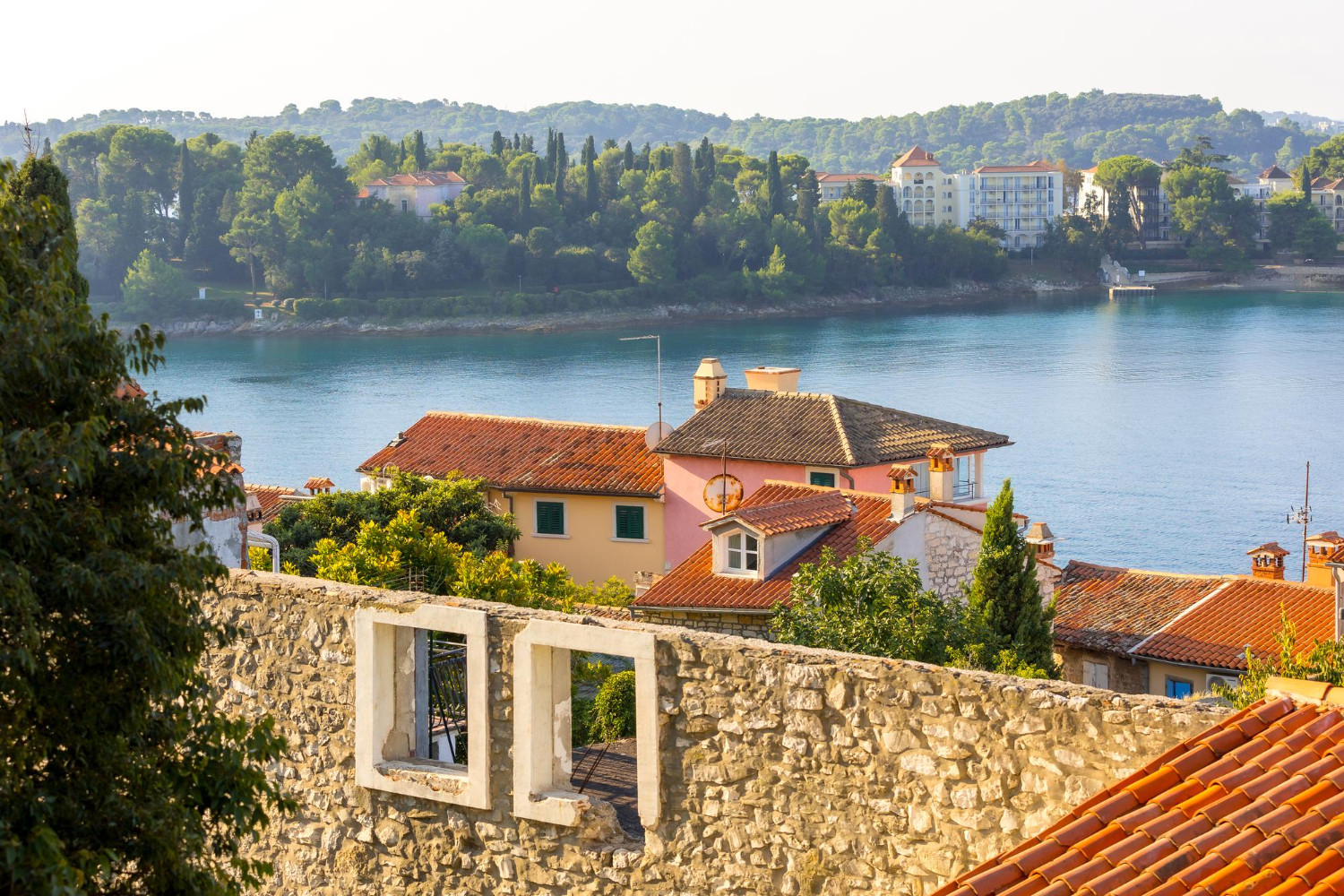

Croatia welcomes millions of visitors every year, and most of them stay with local families rather than in large resorts. Choosing where to stay in Croatia shapes your whole trip, from how much you spend to how close you get to local life. Here is what each type of accommodation offers.
Signs reading apartmani or sobe hang on thousands of houses along the coast. Private apartments usually include a small kitchen and a terrace, and hosts often leave homemade wine or fruit on arrival. They are perfect for families and longer stays, and owners share tips you would never find online.
Smaller guesthouses, called pansion, offer a few rooms and breakfast cooked by the owners. In Istria and continental Croatia, many sit in renovated stone houses with gardens. Expect personal service and a relaxed atmosphere.
In Dubrovnik, Split, Zadar and Rovinj, old palaces and townhouses have become boutique hotels. They offer character, central locations and comfortable rooms, often at higher prices. Book early for summer.
Croatia is long and narrow, so the region you pick matters as much as the type of room. Istria suits travelers who love food, hill towns and calm beaches, while Kvarner offers easy access from Zagreb and islands such as Krk, Cres and Lošinj. Central Dalmatia around Split works well for island hopping, and the Dubrovnik area is ideal for history lovers who do not mind summer crowds.
Stone villas with a pool have become a favorite choice for groups and families who want space and privacy. Many stand in quiet villages a short drive from the sea, surrounded by olive trees and dry stone walls. Owners usually live nearby, look after the garden and drop by with advice on beaches, markets and local events. Villa prices in Croatia drop in June and September, when the water is still warm.
Sleeping inside a historic center puts cafés, museums and evening walks right outside your door, but it also means narrow lanes, church bells and limited parking. A room in a fishing village gives you peaceful nights and a beach a few steps away. Many travelers split their stay, spending a few nights in a town like Split or Zadar and the rest somewhere slower.
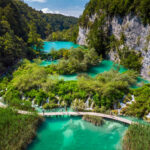
The inland part of the country is often overlooked, yet it offers excellent value. In Zagreb, small apartments in Austro-Hungarian buildings sit within walking distance of the main square and the Dolac market. Near Plitvice Lakes, family houses rent rooms with breakfast, which makes it easy to enter the park early before tour buses arrive.
Rural estates registered for agritourism combine accommodation with home cooking, wine and produce from their own land. You find them across inland Istria, Zagorje, Lika and Slavonia, far from crowds and close to cycling routes and hiking trails. Dinner with the hosts is usually the highlight, so book at least one evening meal when you reserve the room.
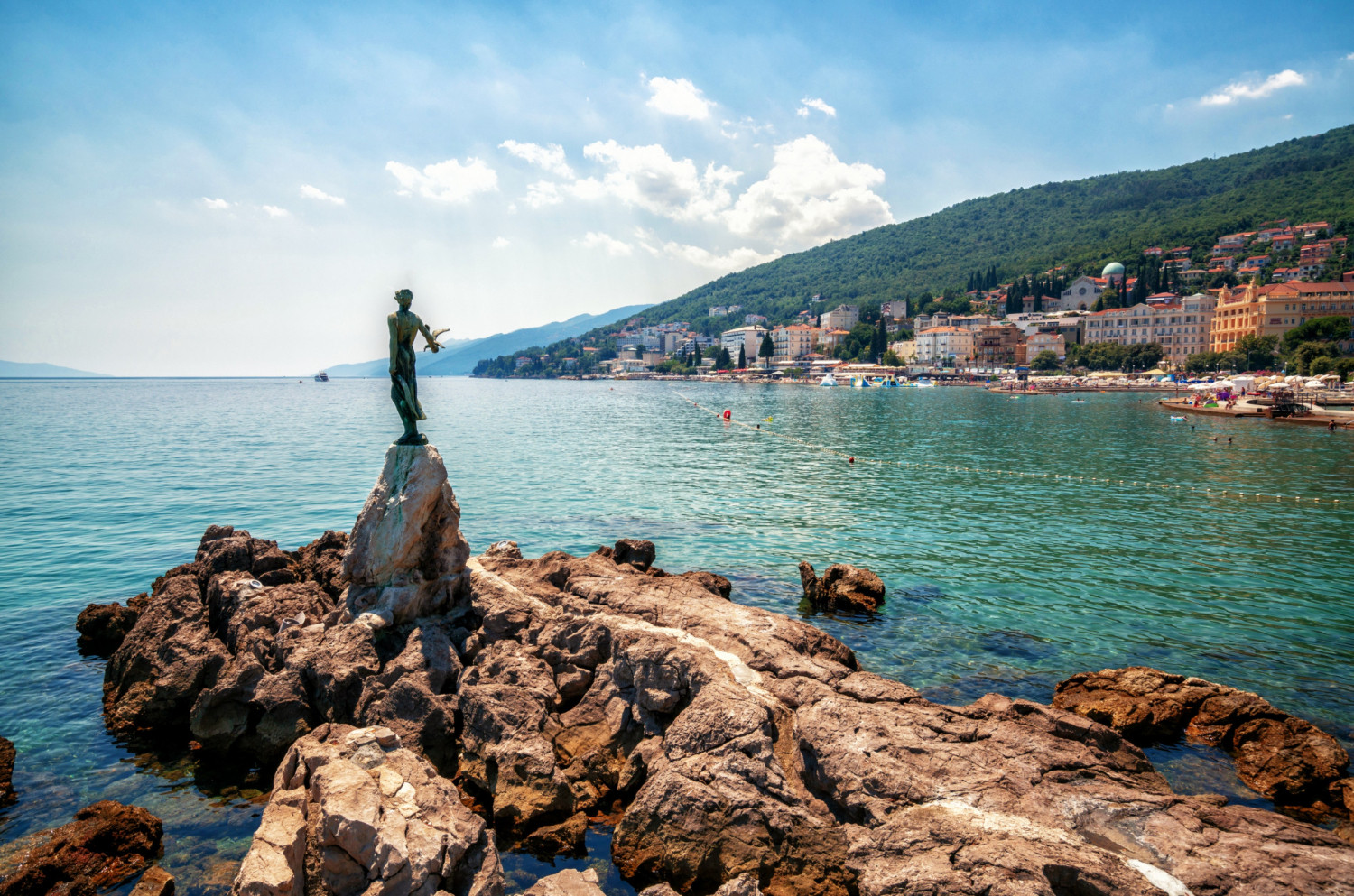
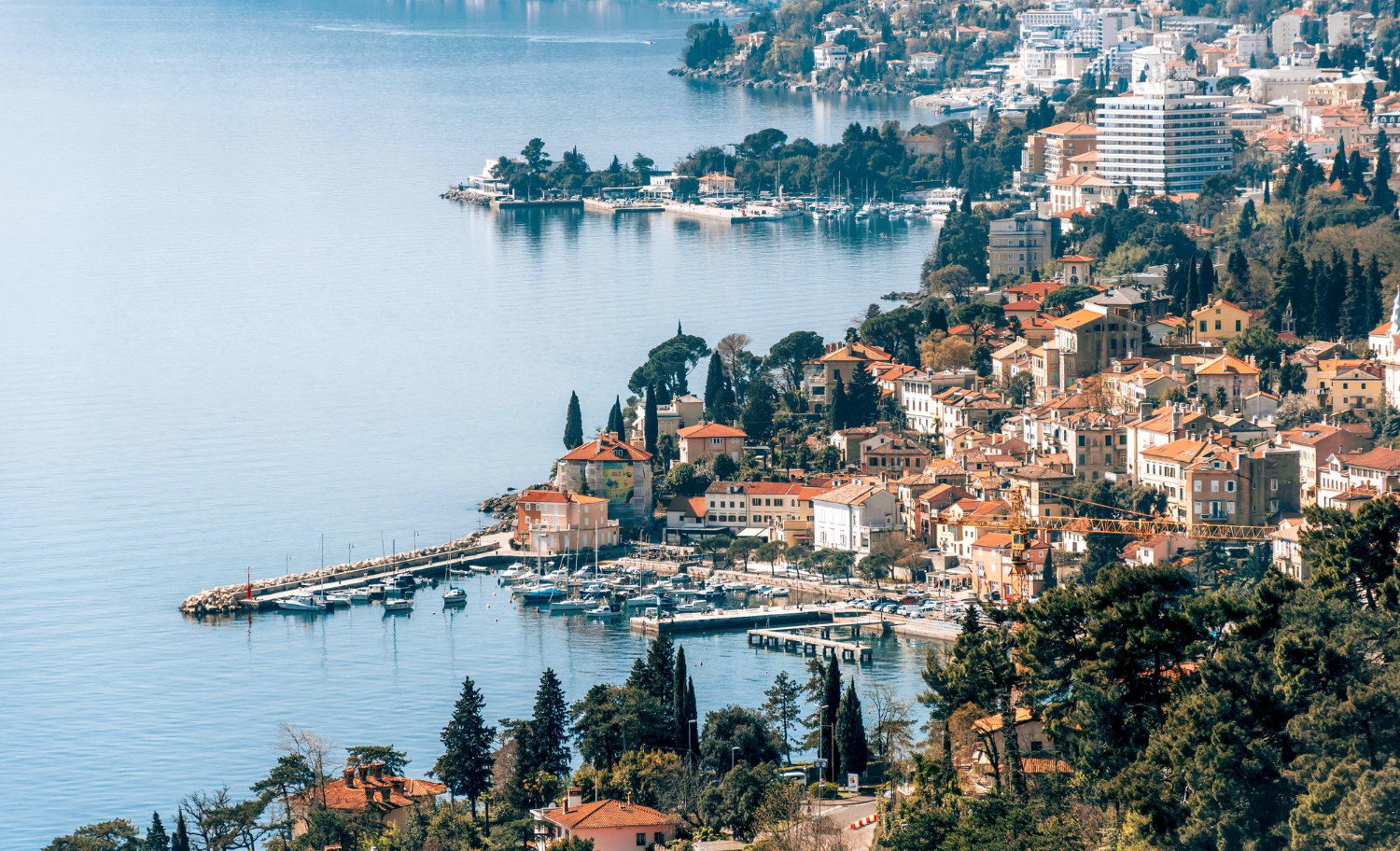
Travelers on a tighter budget have good choices too. Hostels in Zagreb, Split, Zadar and Dubrovnik offer dorm beds and private doubles, many with shared kitchens and friendly staff who organize walking tours. Outside peak months, simple private rooms in Croatia with a shared bathroom can cost far less than a full apartment, and hosts are often happy to negotiate for longer stays.
Coastal towns are built on hillsides, and many apartments sit at the top of steep stone steps. If you travel with small children, heavy luggage or someone with limited mobility, ask about the number of stairs and the distance from the parking spot. Ground floor units and newer buildings with lifts exist, though you need to request them clearly when booking.
A car gives freedom in Croatia, yet parking in old towns is scarce and expensive in summer. Check whether your accommodation includes a private parking place, since street spots fill quickly by mid morning. On islands, a scooter or bicycle is often more practical, and many hosts rent them or know a neighbor who does.
July and August bring the warmest sea, along with full beaches, higher prices and minimum stays of five or seven nights at many apartments. Some owners accept only Saturday to Saturday bookings during these weeks. Traveling in May, June or September usually means shorter minimum stays, calmer towns and more time for a chat with the family that hosts you.
Most private hosts meet guests in person and hand over the keys themselves, so send your expected arrival time a day ahead. Check in is usually in the afternoon and check out in the morning, as rooms need cleaning before the next guests arrive. Save the phone number of your host, since messaging apps are the fastest way to reach them during your stay.
For a truly quiet stay, try a Robinson house on a remote island bay, often without electricity, where a boat brings supplies. Croatia also has excellent campsites, many right on the sea with mobile homes for those who do not travel with a tent.
Hosts must register every guest with the authorities, so keep your passport handy on arrival. A small tourist tax per person and night is added to the price or paid on site. You can browse accommodation and stays with local hosts in Croatia to compare options for your trip.
Book directly with hosts when possible, as they often offer better rates. Check the walking distance to the beach and old town, and ask about parking in historic centers. Shoulder seasons bring lower prices and more flexible stays.