
Croatia is often reduced to its coastline, yet its soul lives in towns that grew slowly over centuries, shaped by bishops, merchants, soldiers and craftsmen. Walking those lanes with someone who grew up there changes everything. A host shows you the bakery where the best burek comes out at six in the morning, the coffee bar where grandparents gather after mass and the courtyard that never appears in guidebooks. Croatian heritage towns reveal their stories best when you spend a night or two and let a local open the doors.
This guide follows five towns with very different characters, two inland and baroque, one planned as a military stronghold, and two on the Adriatic with medieval roots. Each works as a weekend destination and each has hosts who love sharing their hometown, whether through a guesthouse, a private apartment or a guided walk.
Respect goes a long way in these places. They are living communities, not open air museums, so keep voices low in residential streets at night, ask before photographing people and greet shopkeepers with a simple dobar dan.
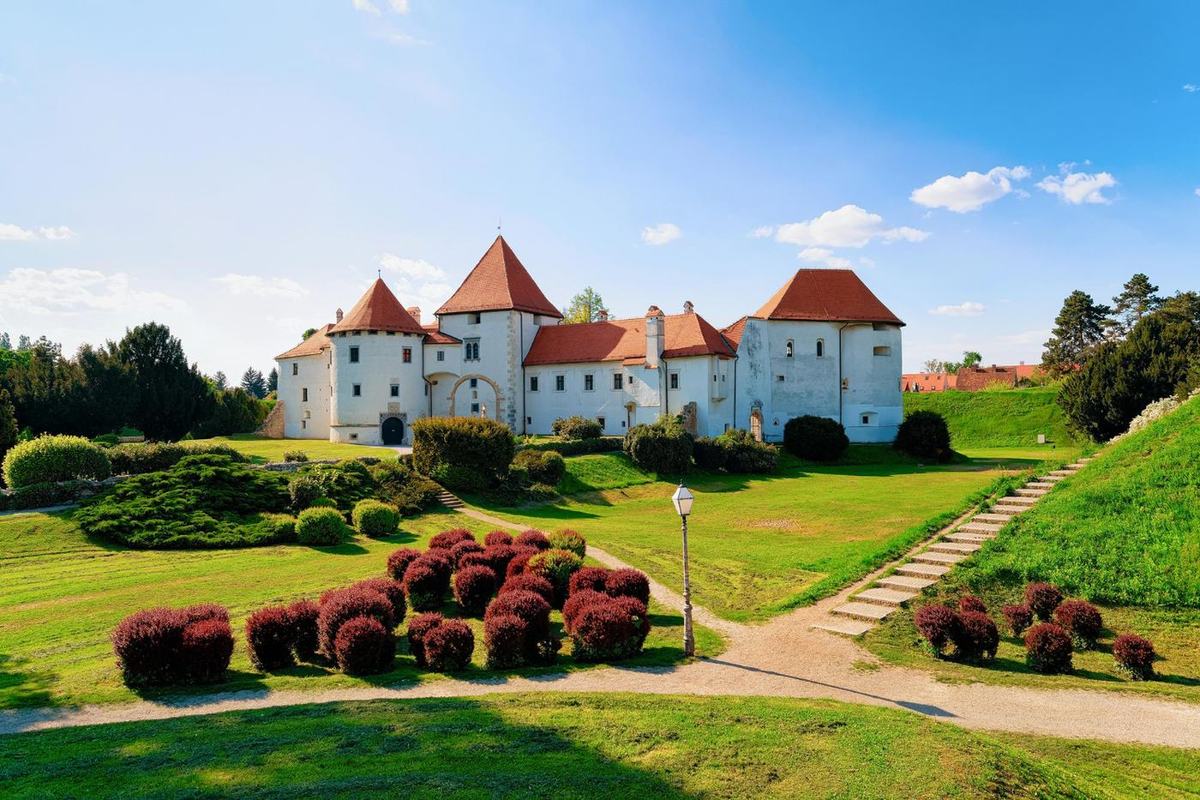
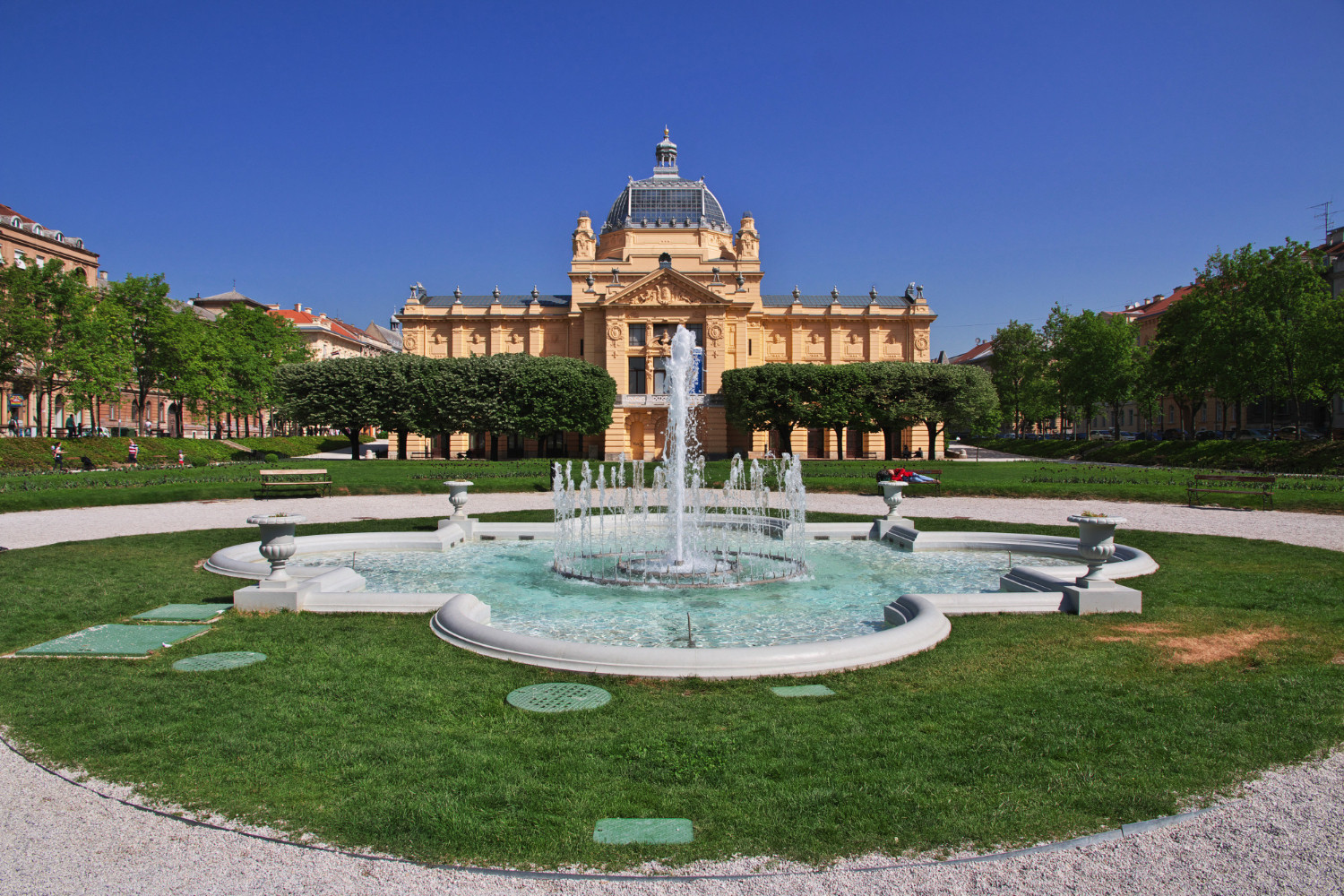
Varaždin was briefly the capital of Croatia in the eighteenth century, and it still carries an air of elegance. Pastel palaces, churches with ornate facades and a fairytale fortress called Stari grad, surrounded by green ramparts, fill the compact center. The town cemetery is famous for its manicured hedges and alleys, more park than graveyard. At the end of summer, the street festival Špancirfest turns the center into a stage for musicians, acrobats and artisans. Hosts here often run guesthouses in restored townhouses, and many will recommend spots where you can try local specialities such as Varaždin cabbage dishes or sweet pastries.
Samobor, half an hour west of Zagreb, is a small town of colorful houses, wooden bridges over a stream and hills covered in forests. People come from the capital mainly for one thing, the kremšnita, a tall custard cream slice served in pastry shops on the main square. Beyond dessert, Samobor offers the ruins of a medieval castle on a hilltop, hiking trails in the Samobor hills and a lively carnival before Lent. Staying overnight lets you see the square quiet in the morning, when neighbors buy bread and newspapers.
Both towns are easy to combine in one weekend from Zagreb by car or by regular bus lines. Varaždin hosts a baroque music festival in autumn, a lovely reason to visit outside the busy season, while Samobor celebrates its carnival with masks and a giant puppet burned on the closing evening.
Karlovac was founded in 1579 as a fortress against Ottoman raids, designed in the shape of a six pointed star. Remains of the walls and moats are still visible near the old core. The town sits where four rivers meet, Kupa, Korana, Mrežnica and Dobra, so locals spend hot afternoons swimming at river beaches in the middle of town. The aquarium dedicated to freshwater fish of Croatian rivers is a great stop with children, and its building imitates a sunken karst landscape. Karlovac is also a natural break on the drive from Zagreb to Plitvice or the coast.
Closer to Zagreb, Turopolje preserves a very different heritage. The area by Velika Gorica is known for timber chapels, manor houses made entirely of oak and a proud community of noble families who once governed the region. Local guides lead interpretive walks that explain carpentry techniques, the legends of the oak forests and traditional cooking. You can join a walk about Turopolje tradition and wooden architecture, together with tastings of regional specialities and a štrukli making workshop.
Turopolje is also an easy add on for anyone flying into Zagreb, because Velika Gorica lies right next to the international airport. A half day here before your flight home beats waiting at the terminal.
Trogir sits on a tiny island linked to the mainland and to Čiovo by bridges. Its old town has been on the UNESCO list since 1997, thanks to an extraordinary concentration of Romanesque and Renaissance buildings. The portal of the cathedral, carved by master Radovan in the thirteenth century, depicts Adam and Eve, saints and scenes from everyday life. Wander the narrow lanes early, before tour groups from Split arrive, and finish the evening on the waterfront promenade lined with yachts. Across the bridge, Čiovo offers quieter coves and family guesthouses with views back toward the cathedral bell tower, a smart base for travelers on a budget.
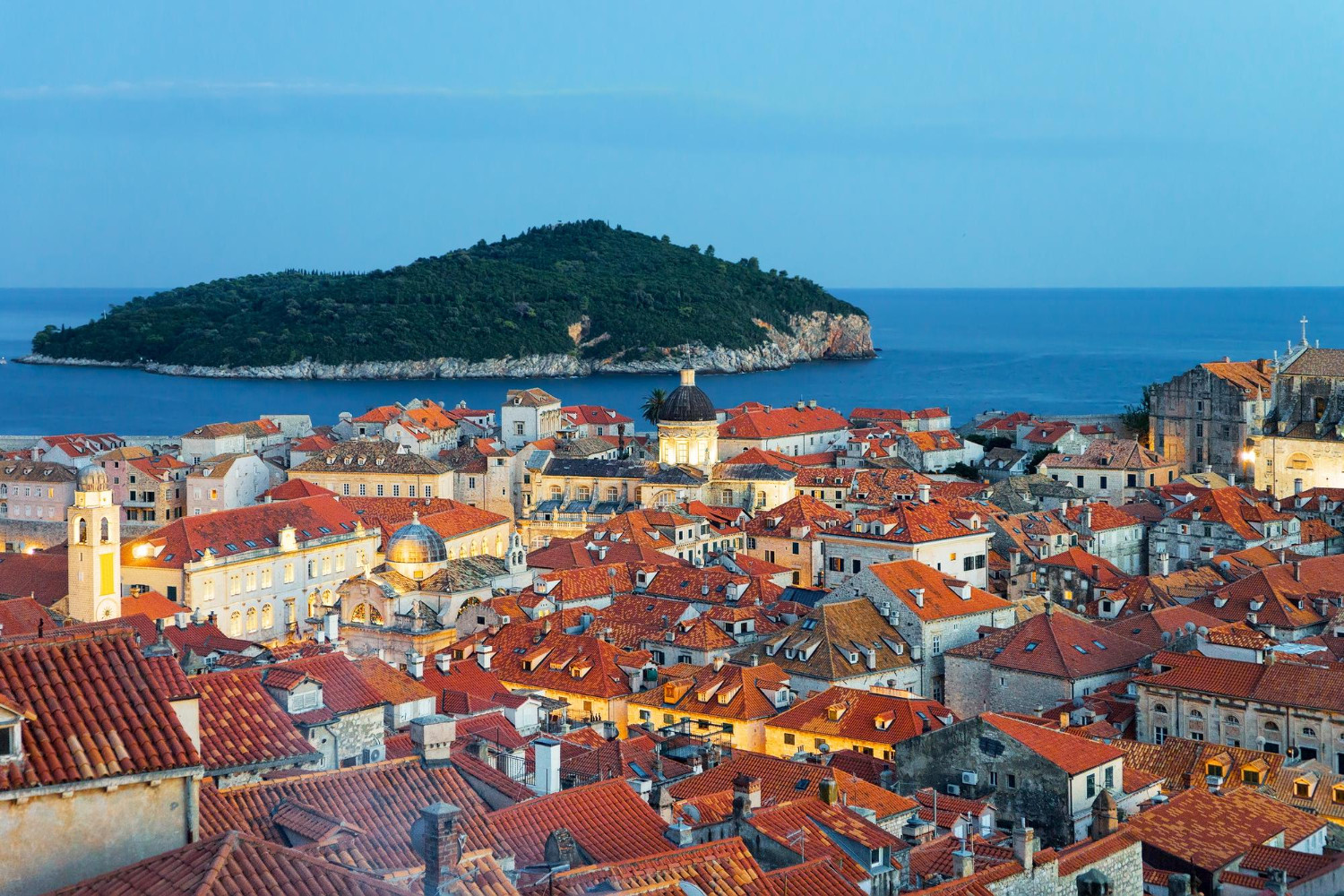
Korčula town, on the island of the same name, follows a herringbone street plan that protects residents from strong winds while letting cool breezes in during summer. Residents proudly claim that the famous traveler Marco Polo was born here, a tradition that adds romance to the old town. Evenings bring performances of the Moreška sword dance, and wine cellars in Lumbarda and Smokvica serve Grk and Pošip. Rooms run by families inside the walls give you the special feeling of falling asleep in a medieval fortress.
Hosts make these places come alive. They know which bakery opens first, which museum has free entry and which viewpoint glows at golden hour, details that save time and add flavor to a short visit. Ask them about family history, favorite konobas and village feasts, and the trip will feel personal. Many hosts also arrange airport pickups, boat transfers or a table in a cousin’s tavern, small favors that make a stay unforgettable. For more ideas, read our guide to hosted dinners in Croatia, find rooms with character in where to stay in Croatia and explore the Island Hosts section.