
You can visit a Croatian old town alone with a map and still miss most of it. The bullet marks on a wall, the reason a street suddenly narrows, the family recipe behind a dish in a tiny tavern, these details only come alive when someone who belongs to the place explains them. Guided tours in Croatia have changed a lot over the past years. Large groups following an umbrella still exist, yet more and more travelers book small tours led by passionate locals who treat visitors like guests rather than customers.
A good guide saves time, opens doors and turns sightseeing into conversation. You learn where locals eat, which beaches stay quiet in August and how to avoid queues at the ramparts. Many hosts are historians, sommeliers, fishermen or chefs, and their personal stories make even a familiar monument feel new. In smaller towns, the guide may well be the owner of your guesthouse or the cousin of the fisherman who sold you breakfast, which is exactly what makes the experience genuine.
This guide explains the most rewarding types of tours, how to choose a reliable provider and a few etiquette tips that make the experience pleasant for everyone.
Prices vary widely. Group walks in big cities are inexpensive, while exclusive all day tours with transport cost considerably more. Splitting a private guide among four to six friends often brings the cost per person close to a group tour, with far more flexibility and attention.
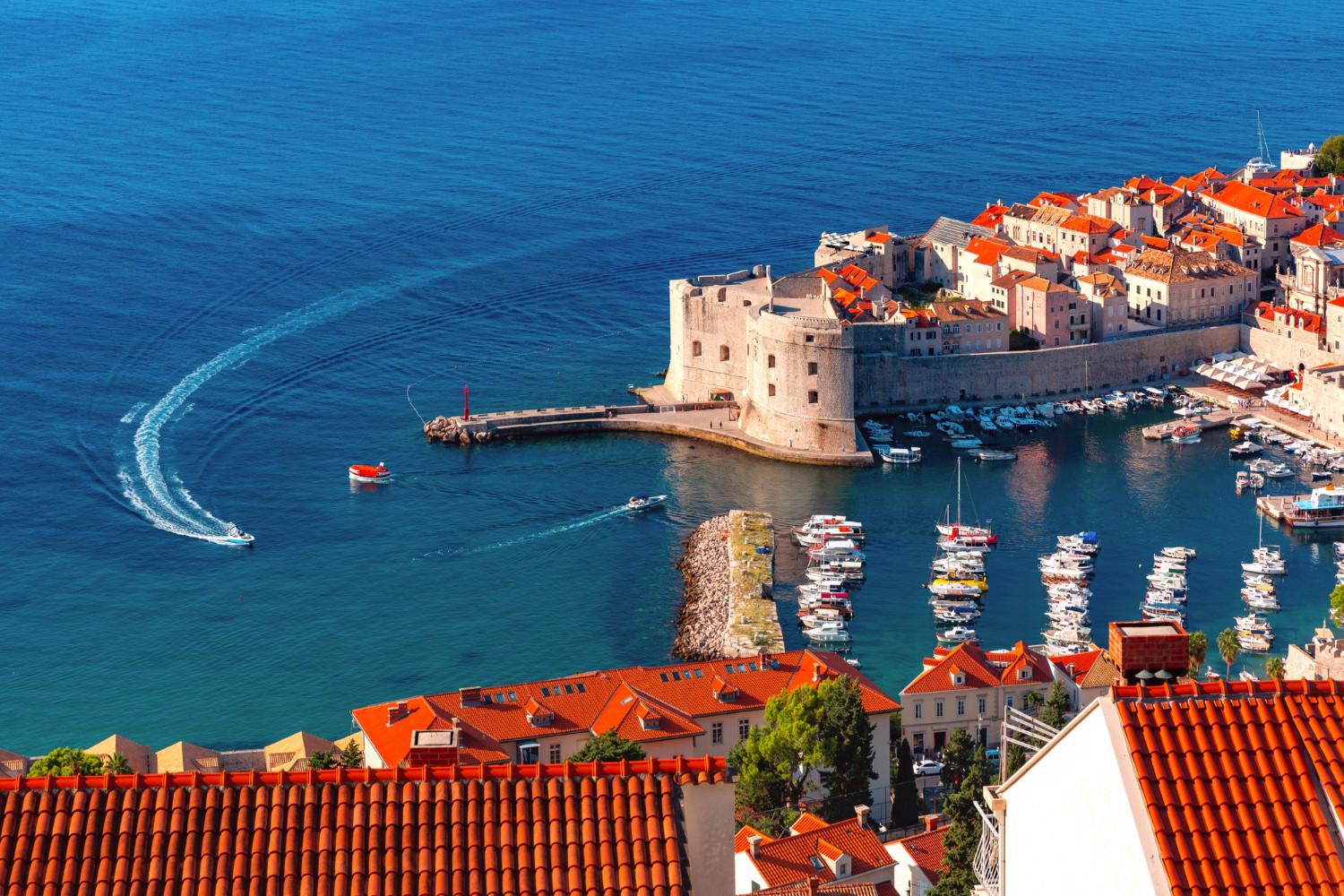
In historic centers such as Dubrovnik, Split and Zadar, walking tours are the classic starting point. Croatia requires licensed tourist guides for many protected sites, so official guides know the past in depth and must pass exams. A two hour stroll through Diocletian’s Palace or along the Stradun covers architecture, wartime stories and everyday life, and it gives you a mental map for the rest of your stay. Pick early morning or late afternoon slots in summer, when the stone streets are cooler and less crowded.
Food tours blend sightseeing with tasting. In Zagreb, they usually start at Dolac market, continue with štrukli and cured meats, and finish with a slice of cake in a historic café. In Split or Zadar, expect fish, olive oil, figs and local wine. Guides explain regional cooking traditions and recommend restaurants for the rest of your holiday, which alone is worth the price.
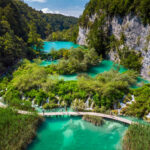
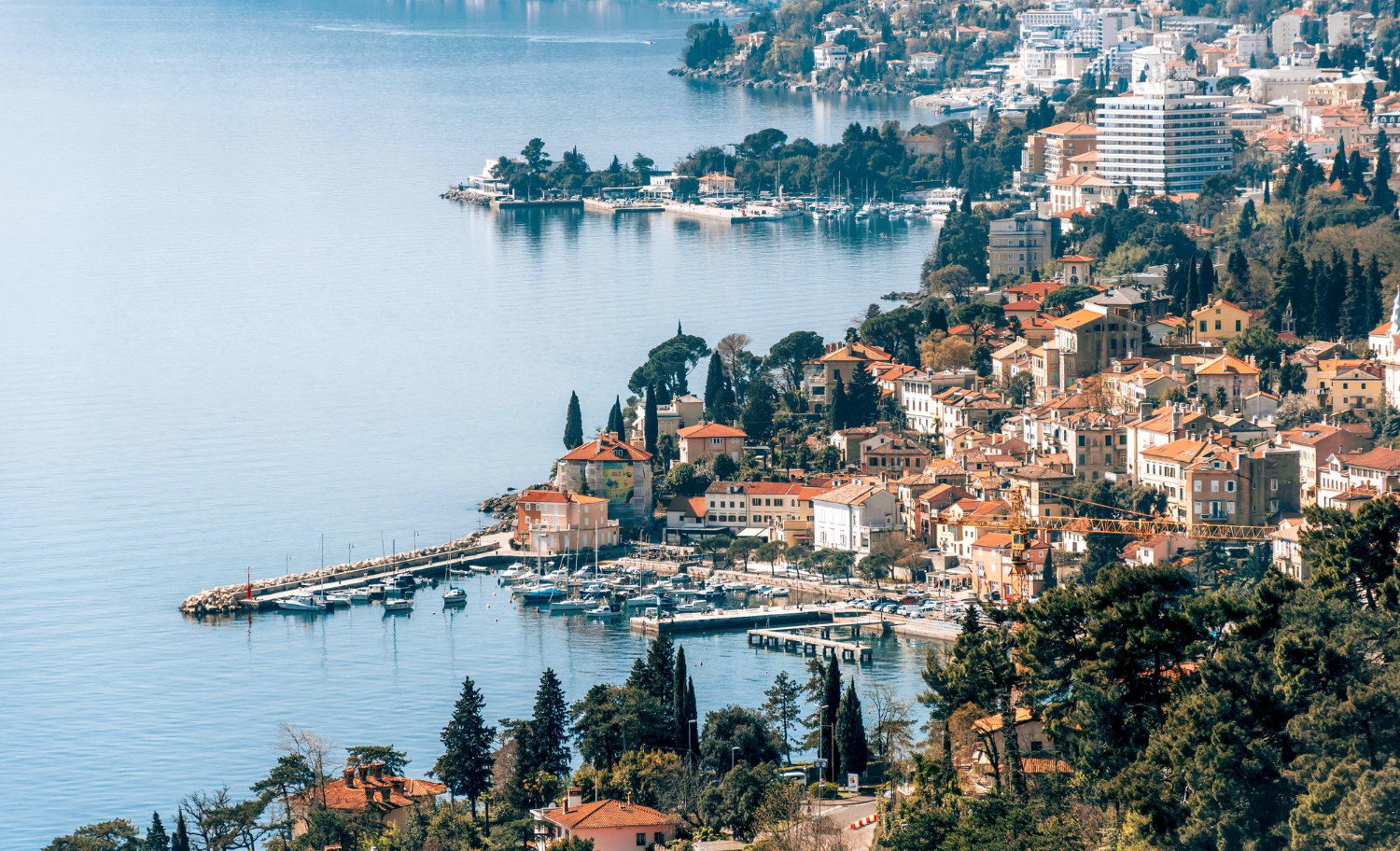
For a compact introduction to Kvarner, a five hour tour of Rijeka and Opatija mixes heritage, nature and a traditional brunch, with a stop at Trsat Castle above Rijeka. You can book this Rijeka and Opatija history and food tour along with other guided trips in Croatia, including excursions to Plitvice Lakes.
Themed walks are increasingly popular too, from street art in Zagreb to Game of Thrones filming locations in Dubrovnik and Split. Choose one that matches your interests, and you will remember the place through a story rather than a list of sights.
Children enjoy treasure hunt style walks that some guides prepare for families, with riddles hidden in stone carvings and small rewards at the end. Ask for them when you inquire, because they are rarely advertised.
The islands are easier to understand from the water. A private boat tour with a local skipper lets you reach coves without road access, swim in caves and stop at fishing villages where fish is grilled on the quay. Skippers can tell which bays are sheltered from wind, where dolphins sometimes appear and which tavern serves the freshest catch.
Popular routes include the Pakleni islands off Hvar, the Elaphites by Dubrovnik and the Kornati archipelago from Zadar or Murter. Shared boat outings are more affordable, while exclusive charters suit families or friends who want full flexibility. Clarify fuel costs, meals and park tickets in advance, as these extras can change the final price.
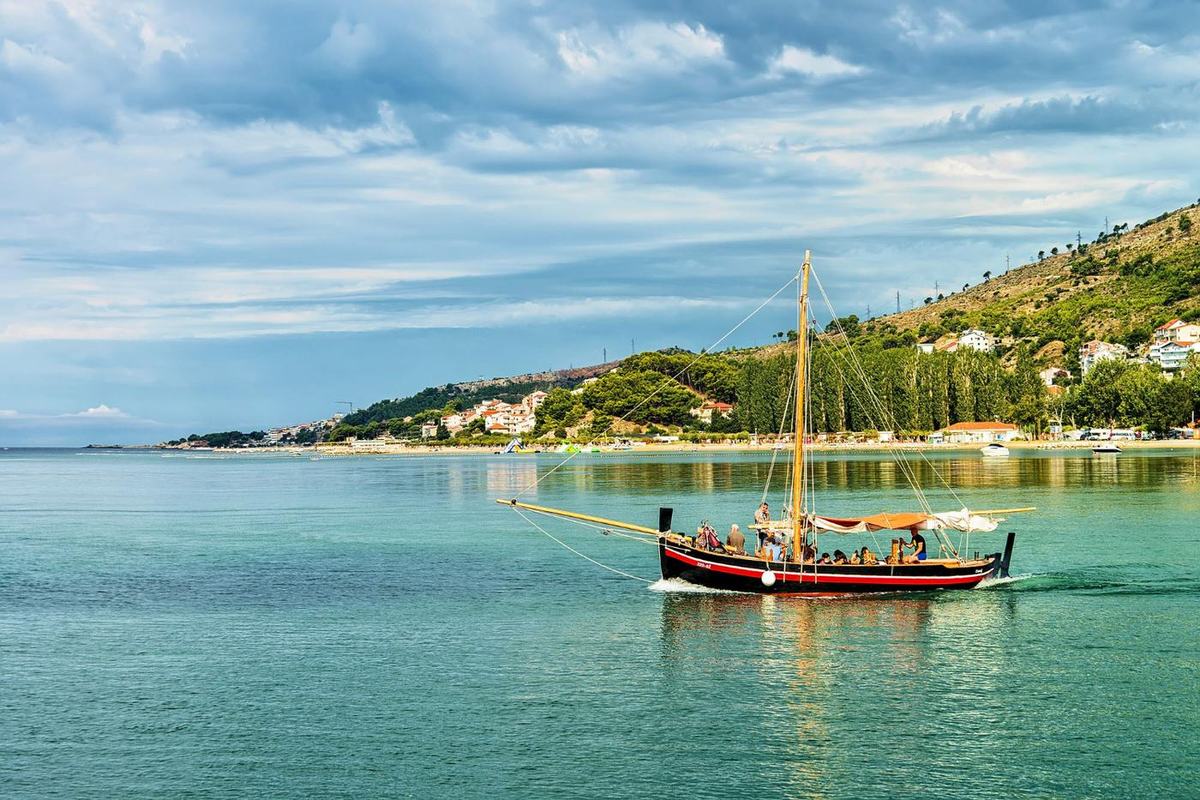
Sailing excursions are another option, offering a slower pace and the chance to help with the sails. They are ideal for couples or anyone curious about sailing before reserving an entire week on a yacht.
Seasickness can spoil a lovely outing, so pick a larger vessel if you are sensitive, sit in the middle and keep your eyes on the horizon. Bring a hat, sunscreen and a light sweater, since the breeze on deck feels cooler than on land.
Inland Croatia shines with a guide too. In Slavonia, hosts take visitors to horse farms outside Đakovo and wine cellars in Kutjevo, while Zagorje tours pair castles such as Trakošćan with a meal on a rural estate. In Istria, truffle hunting with trained dogs in the Motovun forest is followed by tasting dishes topped with fresh shavings. Wine tours in Pelješac, Istria or Slavonia include cellar visits with owners and transport, so nobody has to drive after tasting.
Active tours mix nature and adrenaline, and guides provide helmets, life jackets and wetsuits where needed. Rafting on the Zrmanja or Cetina, canyoning in the Dalmatian hinterland, cycling old railway lines in Istria or hiking in Paklenica all benefit from guides who know the terrain, safety rules and the best viewpoints.
Before paying, check reviews, group size, what is included and cancellation policy. Tipping is not mandatory, yet around ten percent for an excellent private guide is appreciated. Above all, ask questions during the tour. Guides love curious guests, and some of the finest moments happen in conversations off the official script.
For more experiences with locals, read our article on hosted dinners in Croatia, meet farmers in agritourism in Croatia and explore the Family Farms and Agritourism section.