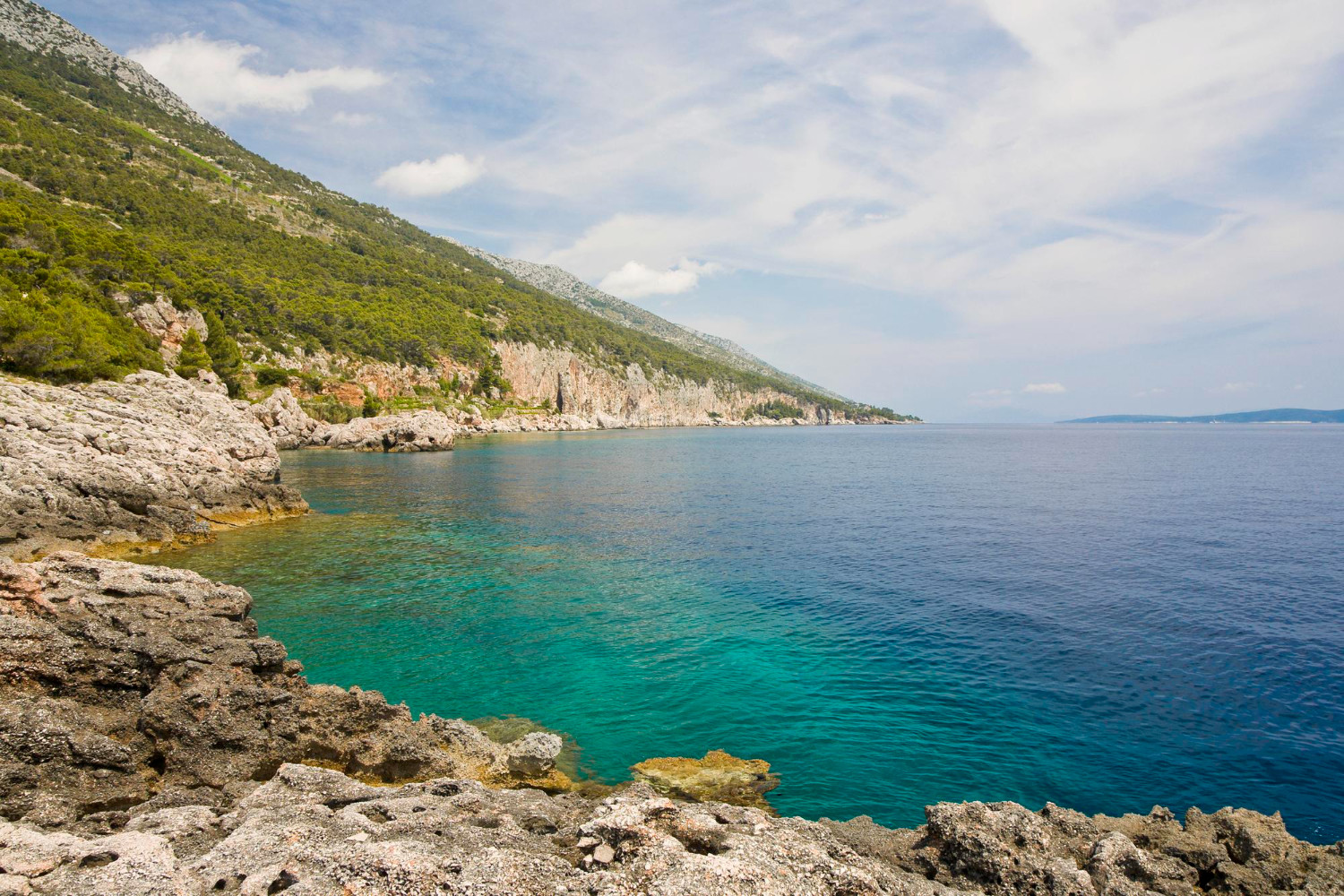

Renting a room or an apartment from a family on a Croatian island is very different from a hotel stay on the mainland. Life here follows the ferry timetable, the weather and the fishing season. A few simple habits help guests fit in, and island hosts notice them right away.
Some smaller islands still rely on rainwater cisterns or water brought by boat during summer. Short showers and turning off the tap while brushing teeth genuinely matter. Hosts on Vis, Lastovo or the Elaphiti islands will thank you for it, even if they never say so out loud.
Ferries and catamarans set the rhythm of the day. In July and August, cars queue for hours, so ask your host which departure locals use. Arriving late at night is possible, though let your host know your ferry in advance so someone waits with the keys.
Village shops often close in the early afternoon and open again in the evening. On Sundays, many stay shut entirely. Buy bread in the morning, and keep some cash, since smaller places and island bakeries do not always accept cards.
Islanders read the wind the way city people check traffic. The cold bura blows from the mainland in sudden gusts, and the humid jugo brings waves and clouds from the south. Both can cancel catamarans and smaller ferries, so ask your host about the forecast before planning a departure day.
Fresh fish is sold early in the morning, often straight from the boat in the harbor. Fruit and vegetables come from small gardens or by ferry from the mainland, which is why groceries in island shops cost more than in cities. Hosts usually know a neighbor who sells eggs, cheese or honey, and buying from them keeps money in the village.
Most inhabited islands have a small health clinic, called ambulanta, and at least one pharmacy, though opening hours are short. Bring enough of any regular medicine for the whole trip. In an emergency, hosts know who to call and how to reach the nearest doctor quickly.
Swimwear belongs on the beach, and some towns, such as Hvar, fine people who walk through the center shirtless or in bikinis. When entering churches and monasteries, cover shoulders and knees. Locals dress simply but neatly for the evening walk along the waterfront, the daily ritual called đir.
Almost every island village celebrates its patron saint with a fešta, a summer night of music, grilled fish and wine on the main square. Guests are welcome to join, and hosts often invite them along. It is the best chance to see island traditions in Croatia up close, from klapa singing to boat processions.
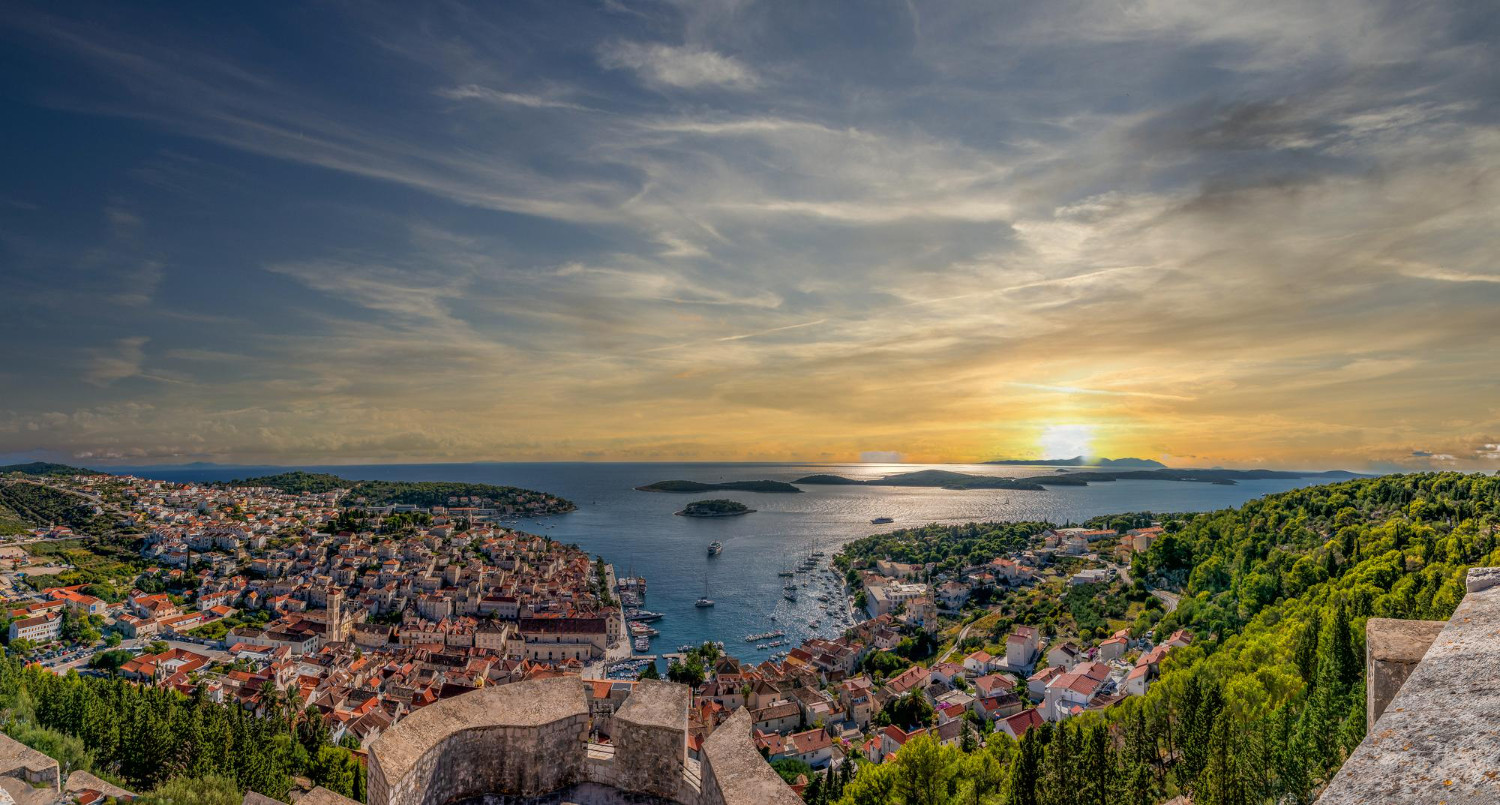
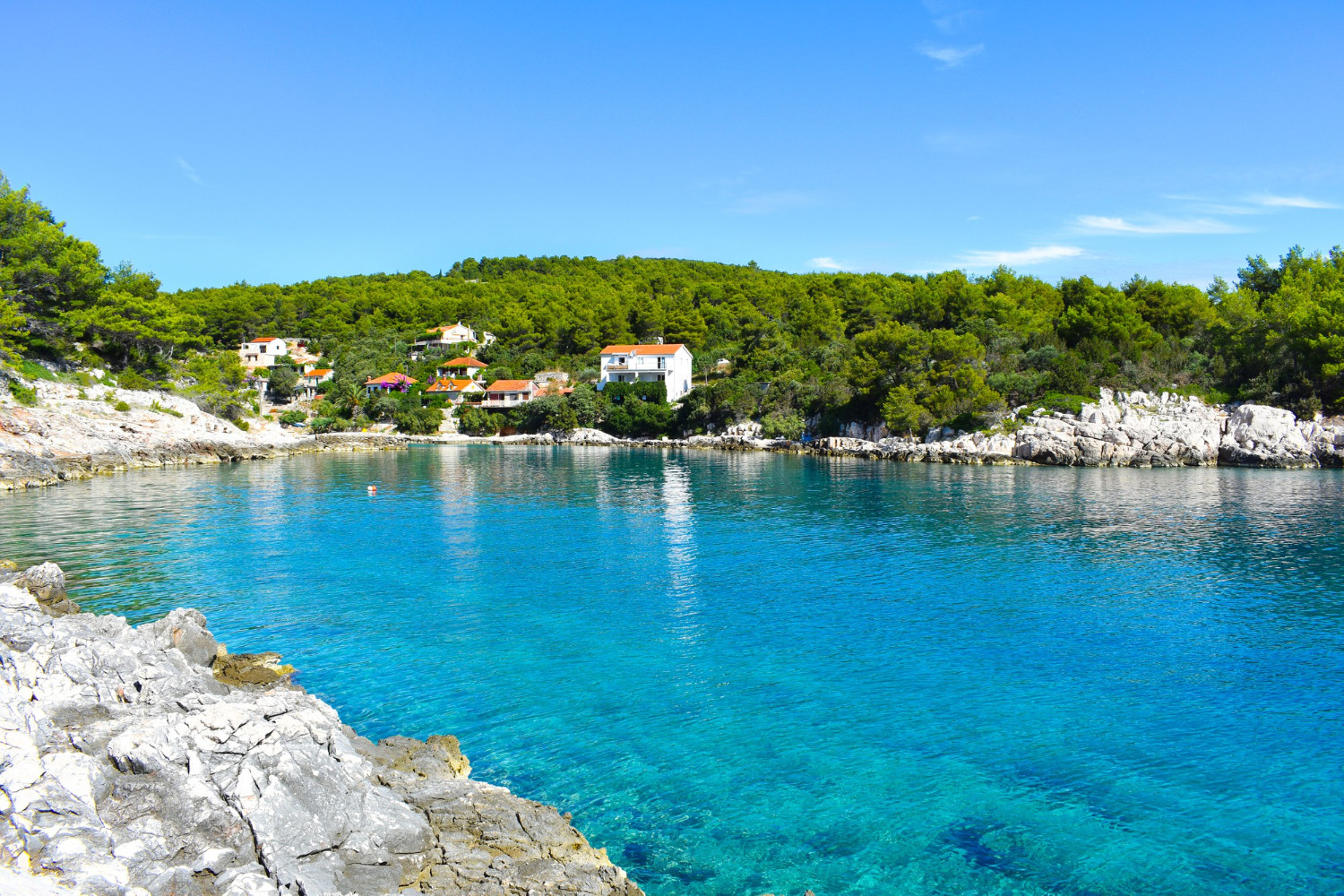
Mobile coverage is good in most island villages, and nearly every apartment offers wifi. Remote bays, inner valleys and isolated cottages may have weak signal or none at all. Download maps and ferry timetables before leaving town, and tell your host where you are heading on longer hikes.
Island beaches are mostly pebbles and flat rocks rather than sand. Water shoes help with sea urchins, which live on rocky bottoms close to shore. Ask for the quiet coves locals prefer, since the best swimming spots on Croatian islands are often reached by a short walk along a goat path.
The stone walls crossing island hills were built by hand over centuries, and the craft of dry stone walling is listed by UNESCO as intangible heritage. Please do not climb them or take stones as souvenirs. Olive groves and vineyards are private property, even when no fence is visible, so leave the fruit for the families who tend them.
Summers are hot and dry, and pine forests catch fire easily when the wind picks up. Never light fires outdoors, avoid barbecues outside marked areas and do not throw cigarettes from cars or boats. If you see smoke, call 112 right away and inform your host.
From October to May many restaurants and shops close, and villages return to their quiet routine. Visiting in these months shows a different side of Croatian island life, with olive picking, card games in the café and long conversations by the harbor. Hosts often have more time, and prices are lower.
Rubbish is collected less often than in cities, so sort it carefully and use the right containers. Families usually live downstairs or next door, which means late noise travels fast. Wave hello, but respect that their garden and terrace belong to them.
Many island hosts fish or keep a small boat. Ask kindly and someone may show you the morning catch or take you along the coast. For a day on the water, you can look at one day sailing trips around Pag and other Croatian islands. Guests who choose a Robinson house should expect solar power, limited water and no road access, which is the whole charm.
Learning dobar dan and hvala, praising homemade wine or bringing something small from home builds trust. Island hosts remember kind guests for years and often welcome them back like family.