
Restaurants are great, but nothing compares to a meal cooked by a Croatian family in their own home or courtyard. Hosted dinners in Croatia are becoming popular with travelers who want real food and real conversation. You eat what the family eats, drink their wine and hear stories that never appear on menus.
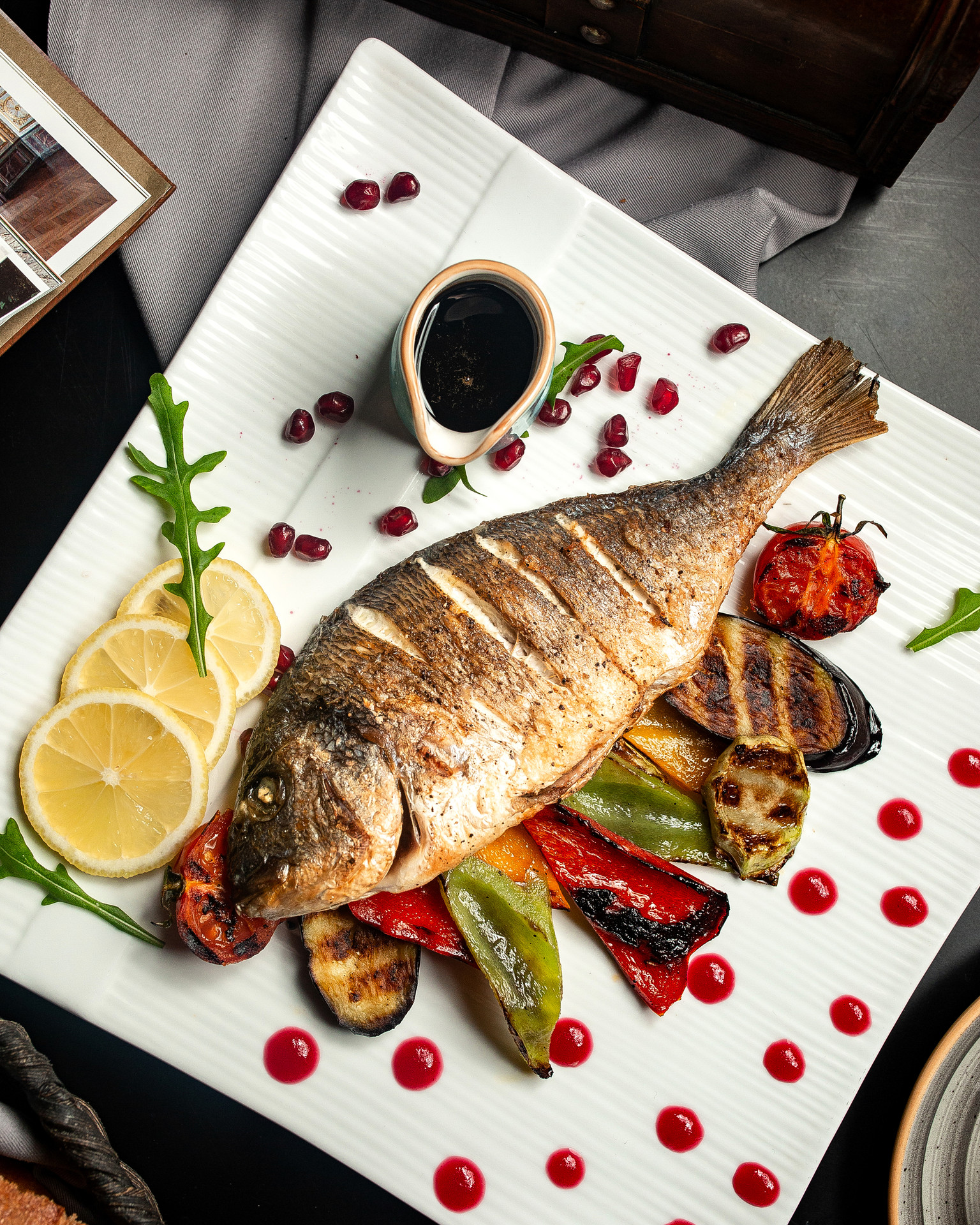
Most dinners start with a welcome drink of homemade rakija, followed by pršut, cheese and olives. The main course might be peka, slow roasted meat and potatoes, or fresh fish caught that morning. Dessert is often a simple cake, fritule or dried figs with almonds.
On family farms, called OPG, hosts cook with ingredients from their own fields. In Istria that means fuži pasta with truffles or asparagus, and in Zagorje turkey with mlinci or štrukli. Guests often walk through the garden before dinner to pick herbs.
On the islands, some fishermen invite guests on board for a short trip and a fish picnic in a quiet bay. The catch is grilled on the spot and served with bread, salad and white wine. It is simple food in a setting no restaurant can match.
Every part of the country brings its own specialties to the family table. In Dalmatia, ask about pašticada, beef slowly braised in wine and prunes and served with gnocchi. Slavonian hosts are proud of čobanac, a spicy stew cooked in a cauldron, while Kvarner families prepare scampi buzara with garlic, white wine and breadcrumbs. Up in Lika, lamb roasted on a spit is the dish everyone talks about.
Almost every rural household makes its own spirits and wine. Travarica is flavored with herbs, orahovica with green walnuts, and in Istria you may be offered biska, made with mistletoe. House wine, called domaće vino, is often mixed with water in summer, a habit known as bevanda in Dalmatia, while northern families pour gemišt, white wine with sparkling water. Accept a small glass even if you only take a sip.
A real peka is cooked under a heavy iron bell covered with hot embers, and it takes two to three hours. Hosts start preparing long before guests arrive, so it has to be ordered a day in advance. Octopus, lamb and veal are the classic choices, cooked together with potatoes, onions and rosemary until everything turns soft and golden.
Hosts cook with whatever the garden and the sea give at that moment. Spring brings wild asparagus with eggs, summer is the time for grilled fish and ripe tomatoes, and autumn fills the table with mushrooms, chestnuts and fresh olive oil. In winter, continental families serve sarma, cabbage rolls stuffed with minced meat, alongside smoked sausages.
Croatian cooking leans heavily on meat, yet a good host will happily adapt the menu. Blitva, chard boiled with potatoes and olive oil, appears on most Dalmatian tables, and soparnik from the Poljica area is a thin pie filled with greens. Homemade cheese, beans, risotto and seasonal salads make a full meal, as long as you tell the family about your diet beforehand.
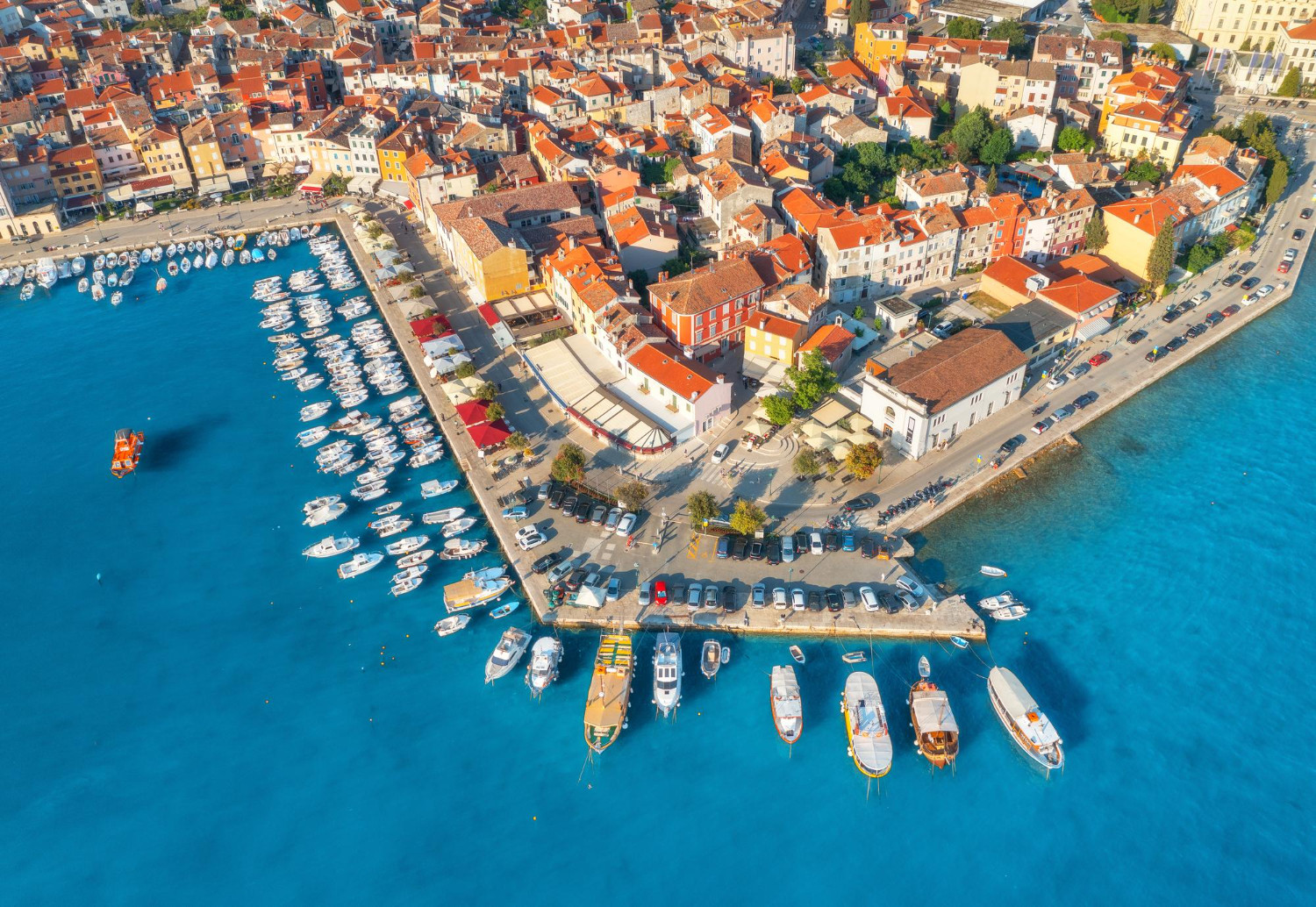
A konoba was originally a stone cellar where families kept wine, oil and cured ham. Today the word also describes small taverns, many still run by one family with a grandmother cooking in the kitchen. Eating in a konoba feels close to a home dinner, while a meal in a private house is quieter and more personal, with the hosts sitting at the table with you.
Some hosts invite guests into the kitchen before the meal. You might roll fuži pasta around a stick, knead dough for bread or fry fritule for dessert. Ask for the recipes, since most families cook from memory and enjoy explaining how their mother did it.
Croatians love long talks over food, and questions about the village, family history and old customs are welcome. Hosts often bring out photos, tell stories about fishing, harvests or emigrant relatives, and ask about your home country. A few words of Croatian, even just a thank you, make the evening warmer.
Family dinners in Croatia include every generation, so kids are welcome and usually spoiled with sweets and attention. Hosts may set up a separate plate with simpler food, or let the little ones feed the chickens and play in the yard between courses. It is a relaxed setting where nobody minds a bit of noise.
In summer, dinner rarely starts before eight in the evening, when the heat breaks and the sea breeze picks up. Courses arrive slowly, with pauses for talk, and the meal usually ends with strong homemade coffee and a final glass of something stronger. Leaving right after dessert can seem impolite, so plan a calm evening without other commitments.
Wait for the host to invite you to start eating. When glasses are raised, Croatians say živjeli and look each other in the eye. Refusing a second helping is difficult, so pace yourself. Compliments to the cook are always welcome.
Ask your accommodation host, tourist office or local guide, since many dinners are arranged by word of mouth. Some families offer cooking sessions followed by the meal. You can explore gastronomy experiences with local hosts in Croatia and reserve a seat at a family table.
A small gift such as chocolates, flowers or a bottle of wine from your country is appreciated. Mention any allergies when booking. Come hungry and leave plenty of time, since dinners easily last three hours.