
Behind almost every good bottle of Croatian wine or olive oil stands a family that has worked the same land for generations. Visiting them is one of the most rewarding ways to spend a day. Knowing a little about how Croatian wine and olive oil producers welcome guests makes the experience smoother for everyone.
Many producers are small family businesses without a tasting room open all day. Call or message a day or two before, and say how many people are coming. Hosts will prepare glasses, snacks and time for your questions. Turning up unannounced at harvest time is rarely welcome.
A typical visit includes a walk through the vineyard or olive grove, a look at the cellar or mill and a tasting of three to six wines or oils. Producers serve pršut, cheese and bread to accompany them. Tastings usually cost a modest fee, which is often deducted if you buy bottles.
Each spring, Istrian winemakers open their doors on the same weekend for open cellar days. Visitors drive or cycle from estate to estate, tasting malvazija, teran and muškat. It is a festive way to meet many producers in one trip.
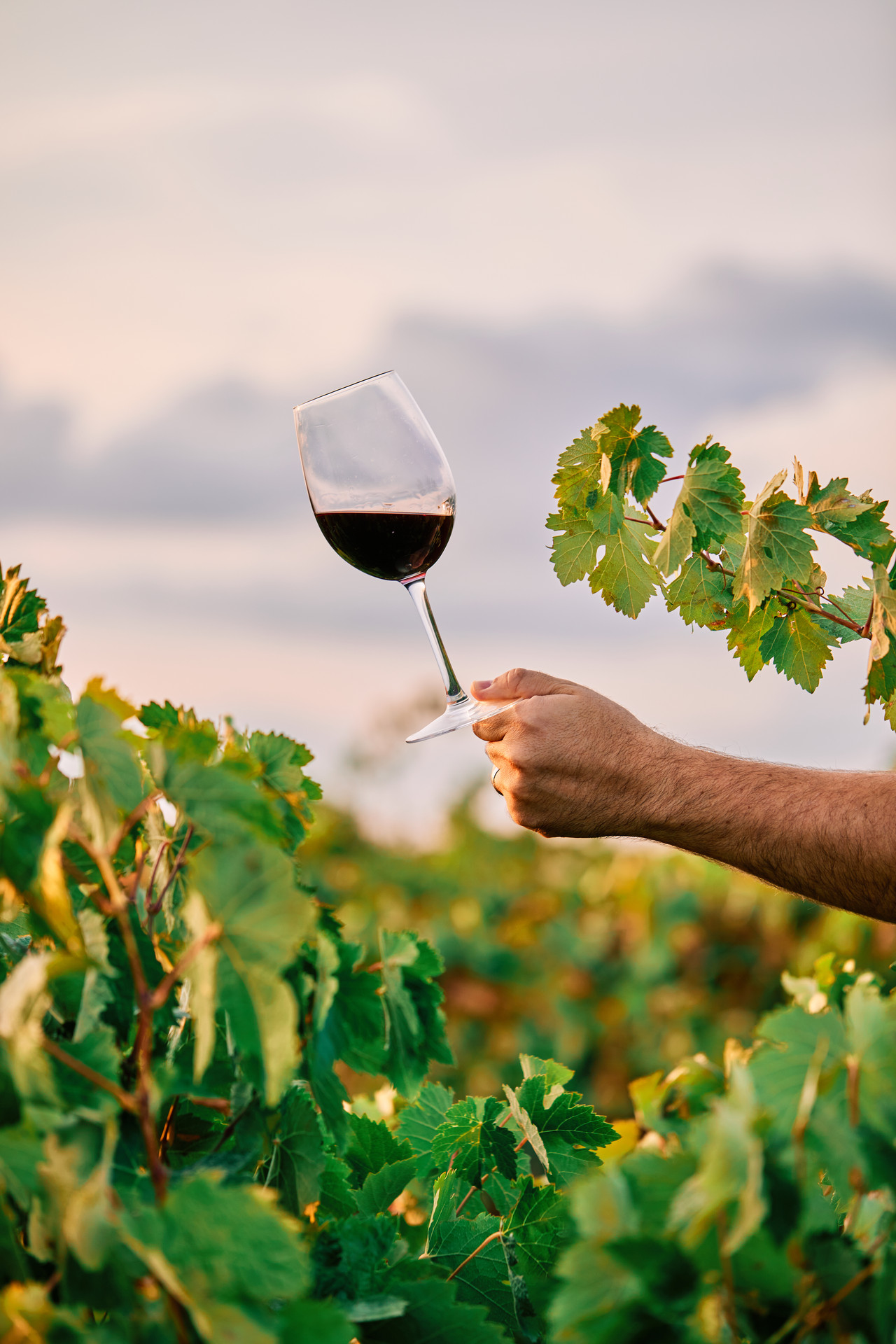
Croatia grows many native grapes that are hard to find anywhere else. In Istria, look for malvazija istarska, a fresh white, and teran, a bold red with lively acidity. Continental cellars are known for graševina, while Dalmatian producers work with plavac mali, pošip and the rare grk from Korčula. Asking the winemaker to explain each one turns a simple tasting into a small lesson.
Croatian wine regions are surprisingly varied for such a small country. The Pelješac peninsula is famous for steep vineyards above the sea, including Dingač and Postup. In the east, Ilok and Kutjevo have historic cellars, and the Plešivica hills near Zagreb produce excellent sparkling wines. Each area offers a different landscape, so it pays to combine two or three on one trip.
Producers usually pour oil into small glasses, which guests warm in their hands before smelling. You then take a small sip and draw in some air, letting the oil spread across the tongue. A slight bitterness and a peppery tickle in the throat are signs of fresh extra virgin olive oil, not a flaw.
Croatian growers cultivate several local olives, each with its own character. Istrian bjelica and buža give oils with grassy and fruity notes, while oblica is the most widespread variety in Dalmatia. On islands such as Cres, Korčula and Šolta, small groves of old trees yield limited quantities that rarely leave the region. Istrian producers regularly earn international recognition for their oils.
Many families still keep an old stone press, once turned by donkeys or by hand, as a reminder of how their grandparents worked. Today the olives go to modern mills that crush them within hours of picking, which keeps the oil fresh. Hosts are usually glad to show both, and some open small family museums in former cellars.
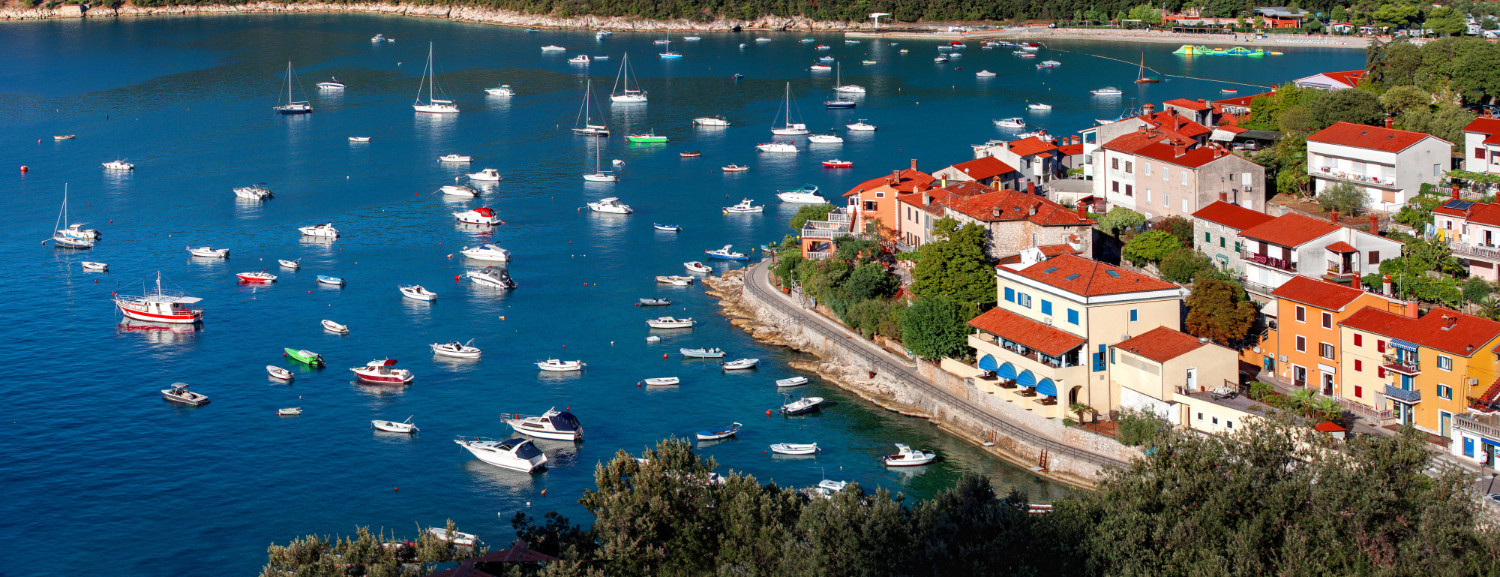
Spring and autumn are the most pleasant seasons for winery visits in Croatia. Vineyards turn green in May, and in late September the cellars smell of fermenting must. Summer afternoons can be very hot, so plan tastings for the morning or early evening, and remember that some small producers close in winter.
Roads between wineries are often narrow and winding, and Croatia has strict drink driving rules. Choose a designated driver, book a local guide with a van or join an organized tour. In Istria, the Parenzana cycling route passes close to several estates, a lovely way to combine exercise with tasting.
Producers know best which local dishes suit their bottles. Malvazija goes well with fish and seafood, teran with pršut and game, and plavac mali with grilled meat or peka. Fresh olive oil shines simply poured over bread, boiled potatoes or a slice of tomato with a pinch of salt.
Olive oil keeps its aroma best in a dark, cool place, away from the stove and sunlight, and it is meant to be used within a year or so. Wine should lie in a calm spot with a steady temperature. Ask which bottles are ready to drink now and which will improve with a few years of patience.
A visit to a tiny family cellar feels personal, often with the winemaker pouring from barrels in the basement. Larger estates have modern tasting rooms, restaurants and sometimes rooms for overnight stays. Both have their charm, and mixing them gives a fuller picture of how Croatian winemaking is changing.
In September and October, grape harvest brings families together, and some estates invite guests to help with picking. The olive harvest follows from late October. Working for a few hours and sharing lunch with the pickers creates real connections.
Buying directly from the producer guarantees freshness and supports the family. Ask about shipping if you cannot carry many bottles. You can explore wine tastings and winery visits in Croatia to plan visits on your route.
Spit or pour out wine if you are driving, and nobody will be offended. Ask questions, since producers love talking about their work. A sincere thank you and a review online mean a lot to small family estates.